Sustainability & Governance

Building lasting value responsibly, transparently, and locally.

Our Philosophy: Grounded, Measurable, Integrity-Driven

At Phiros, sustainability is not a marketing claim; it is embedded in the way we operate.

We work in sectors that directly affect land, resources, and people: mining, agriculture, insect biotech, and trade. This responsibility is both strategic and structural.

We focus on:
- Field-tested practices adapted to each territory
- Practical risk management
- Partnerships designed for long-term regional benefit
- Transparent operations: clear documentation, open reporting, and traceable sourcing so stakeholders can independently assess performance

Our approach is collaborative and continuously improving. We actively invite feedback from partners, institutions, and communities to refine our practices in agriculture, mining, and other sectors.

Our goal is simple: to build projects that last, and to ensure they operate with respect for people, land, and resources.
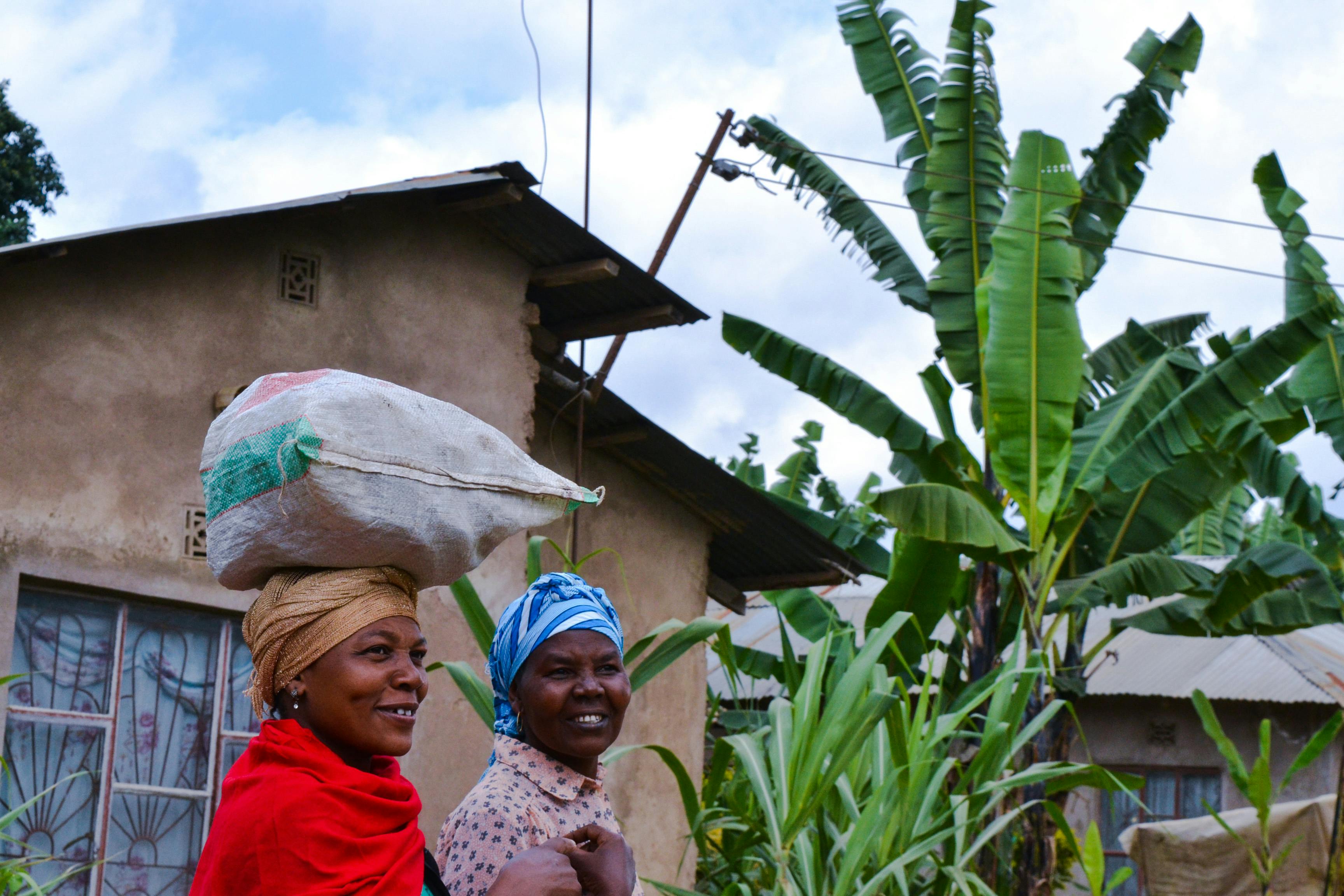
Professional business operations in Africa

Frameworks & Standards We Follow

Each activity follows applicable regulatory and voluntary frameworks that support transparency, safety, and sound governance:

IRMA Guidelines

Huudi follows the Initiative for Responsible Mining Assurance framework to guide responsible mining practices.

OECD Due Diligence Guidance

Applied to ensure ethical mineral sourcing and supply chain oversight.

Global G.A.P.

Kalao follows these agricultural best practices and is working toward compliance.

EU Organic Regulation (2018/848)

Compliance roadmap in place for targeted export markets.

TFDA & TBS

Tanzanian food and quality standards for agriculture (Kalao) and insect protein production (BSF Tanzania).

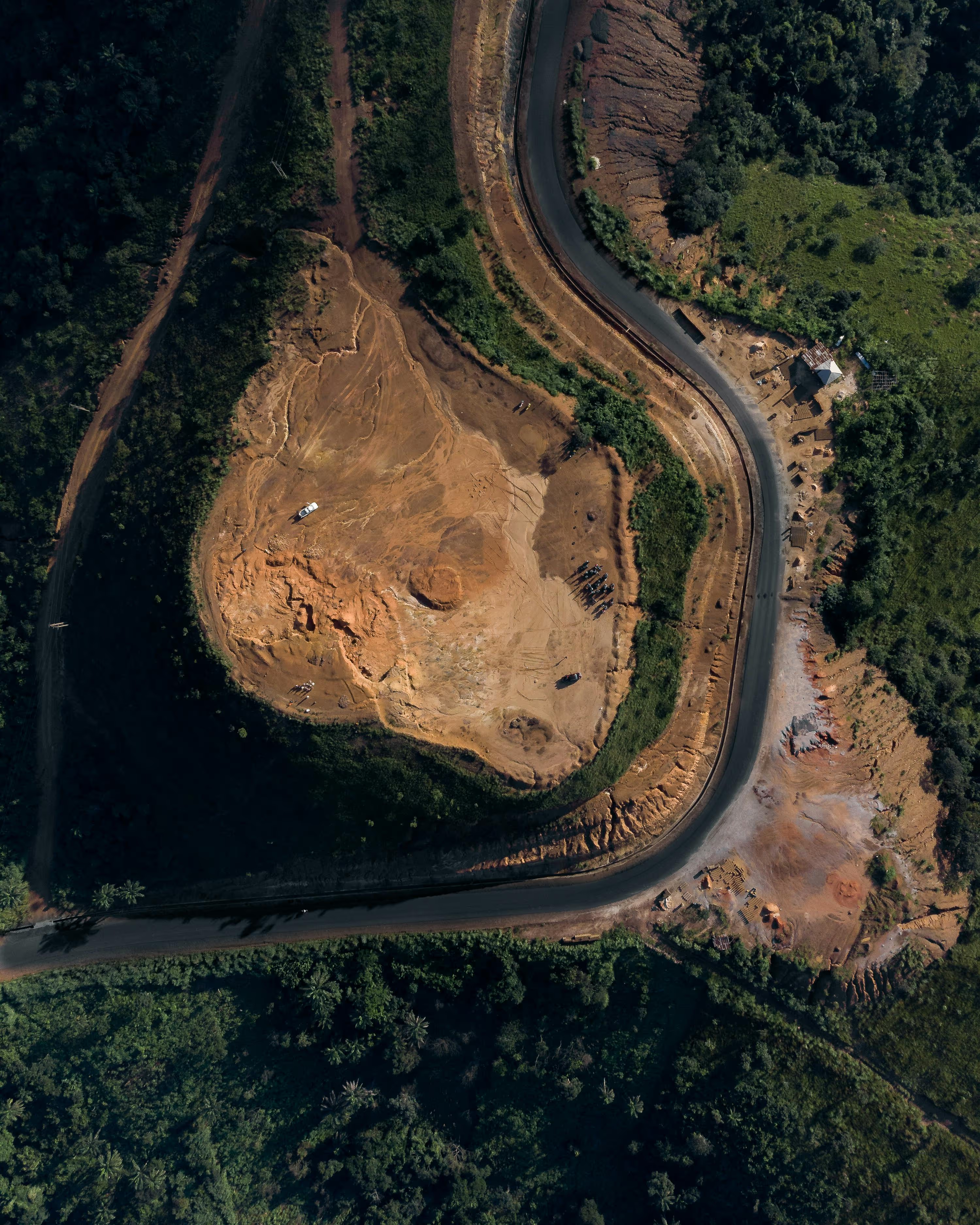
Environmental Practices in Action

Our environmental approach is operational and measurable:

- Mining (Huudi) – Implements water reuse systems and no-chemical ore processing (flotation with closed water circuits at Mpanda).
- Agriculture (Kalao) – Regenerates soil through low-input farming, crop rotation, and on-site fertiliser production.
Biotech (BSF Tanzania) – Upcycles agricultural by-products into insect protein and organic fertiliser, reducing waste and reliance on imported feed.
- Reforestation & Carbon Credits – Forest rehabilitation and tree-planting programs, with 10,000 trees planted last year and more than 10,000 this year. These efforts lay the groundwork for carbon credit certification while supporting long-term ecological restoration.

Each method is adapted to local conditions rather than copying models from unrelated environments.

Local Engagement & Inclusion

Our projects are co-developed with national institutions, local stakeholders, and rural communities. This includes:

- Public–private agreements, such as with Tanzania’s Ministry of Agriculture
- Local hiring and on-site training programs
- Direct communication with communities near mining or agricultural sites

We see inclusion as essential to long-term economic and social stability.

Governance Principles

Phiros’ governance framework is designed to ensure transparency, compliance, and operational discipline across all activities.

Key principles include:

- Project-specific documentation and supply chain traceability
- Monitoring of subcontractors and mineral flows
- Anti-greenwashing and anti-corruption safeguards
- Development of investor-accessible reporting tools

Sunlit dirt road stretching through a dry grassland with a lone tree and a hill in the distance under a blue sky.
Phiros diversified group operations across Europe and Africa

ESG Roadmap

Establishing ESG baseline reporting for each subsidiary (target 2025)
Expanding certification to additional activities (e.g., third-party audits for BSF/Kalao)
Strengthening land rehabilitation protocols at Huudi sites
Sharing knowledge with local universities and training institutions